
SHIELD
Safety and Health: Inclusion to Emergency Training and First Aid for Persons with Disabilities
Building Inclusive and Resilient Communities
Everyone should be prepared for emergencies and everyone should be included.
This project brings together people with disabilities, trainers and civil protection organisations to make emergency preparedness and disaster response more accessible, practical and inclusive.
A key part of the project is the development of inclusive first-aid courses for people with disabilities. These courses will provide accessible, practical knowledge and help participants feel more confident and prepared in emergency situations.
The project will also develop preparedness training for emergency and civil protection personnel. These courses will help responders better understand the needs of people with disabilities and support them appropriately during rescue operations and disaster situations.
Accessible training materials, practical guidelines and train-the-trainer resources will be developed for both areas. The new concepts will be tested in a realistic practical exercise and improved together with the people who will use them.
The result: stronger skills, greater awareness and emergency response systems that work better for everyone.
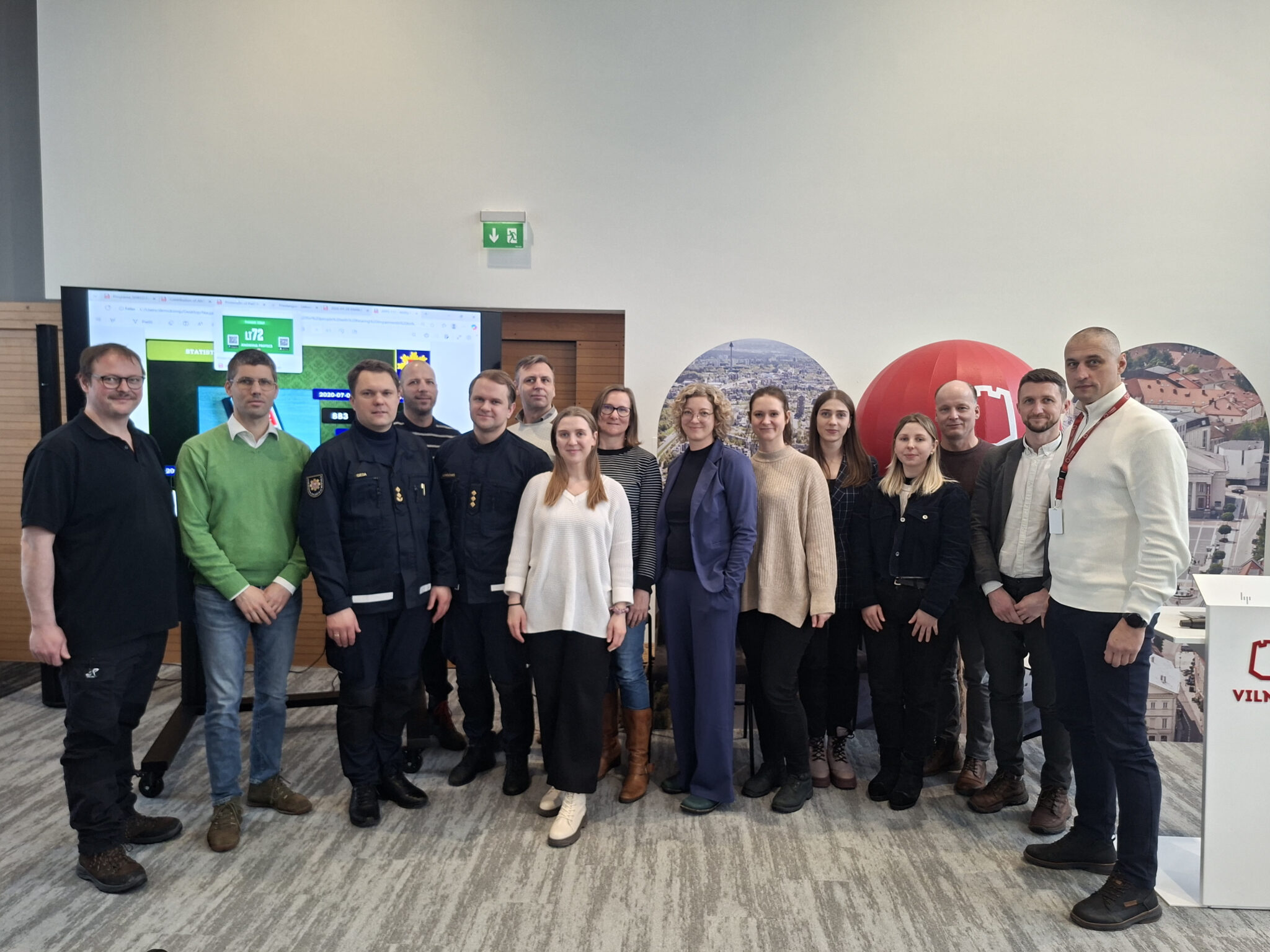
Project period: December 2025 – November 2027
Duration: 24 months
Funding programme: Erasmus+, European Union
Project lead: Jana Goldberg, Johanniter-Unfall-Hilfe e.V. (Germany)
Contact: jana.goldberg@johanniter.de

Johanniter Österreich Ausbildung und Forschung gemeinnützige GmbH
Nadine Sturm
Sabine Kretschy

Asociácia samaritánov Slovenskej republiky
Jakub Liščinský
Peter Kimák-Fejko
Marián Lopuch

Diakonie am Thonberg
Cornelius Neumann
René Winkler

Johanniter International
Joachim Berney
Eva Pelgen

Asociacija Lietuvos negalios organizacijų forumas
Marija Bočiarovaitė
Indrė Širvinskaitė

Funded by the European Union. Views and opinions expressed are however those of the author(s) only and do not necessarily reflect those of the European Union or the European Education and Culture Executive Agency (EACEA). Neither the European Union nor EACEA can be held responsible for them.